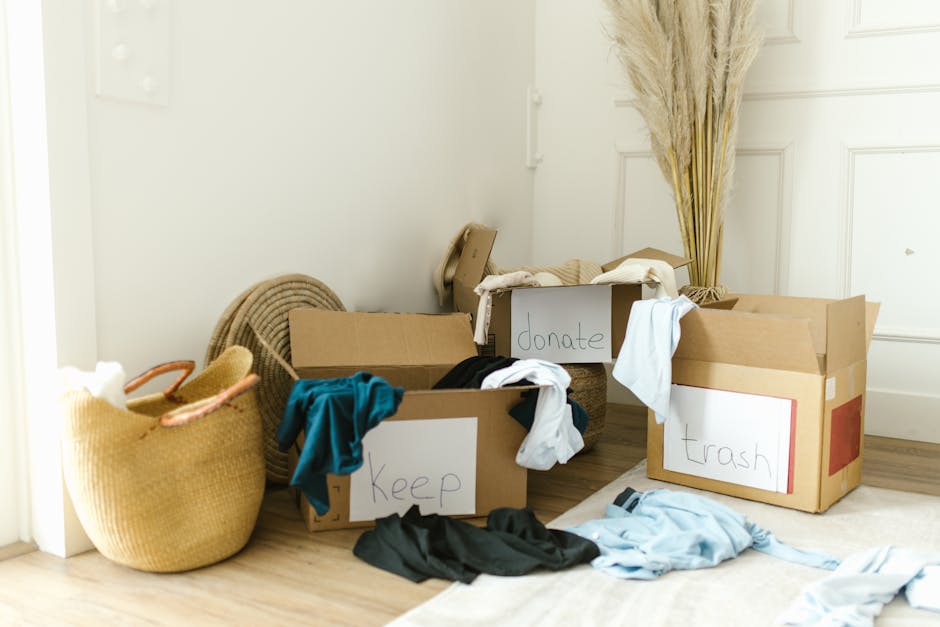
Hoxton flower recycling and donation pick up for businesses
Posted on 15/10/2026
If your business works with fresh flowers, event styling, office reception displays, or venue decoration, you already know the same question appears at the end of every arrangement: what happens next? Hoxton flower recycling and donation pick up for businesses is the practical answer. It helps you deal with used blooms in a cleaner, more thoughtful way, whether that means composting, repurposing, or passing flowers on for a second life.
In a busy part of East London, where hotels, studios, cafes, agencies, event spaces, and shops all want to look polished without creating unnecessary waste, flower recovery is no longer a niche idea. It is simply smarter business. And to be fair, it can also save a lot of awkward binning at the end of the week.
This guide explains what flower recycling and donation pick up actually means, how it works in practice, who it suits, and how to set it up without overcomplicating things. You will also find a comparison of options, a realistic example, and a checklist you can use straight away.

Table of Contents
- Why Hoxton flower recycling and donation pick up for businesses Matters
- How Hoxton flower recycling and donation pick up for businesses Works
- Key Benefits and Practical Advantages
- Who This Is For and When It Makes Sense
- Step-by-Step Guidance
- Expert Tips for Better Results
- Common Mistakes to Avoid
- Tools, Resources and Recommendations
- Law, Compliance, Standards, or Best Practice
- Options, Methods, or Comparison Table
- Case Study or Real-World Example
- Practical Checklist
- Conclusion
- Frequently Asked Questions
Why Hoxton flower recycling and donation pick up for businesses Matters
Fresh flowers are beautiful, but they are also temporary. A bouquet that looked perfect on Monday can be limp, fragrant, and a little sad by Friday morning. For businesses, that creates a small but constant waste problem. Not dramatic, no, but persistent. If you manage a reception desk, a restaurant, a hotel lobby, a wedding venue, or a studio with recurring floral installations, those leftovers add up quickly.
Hoxton flower recycling and donation pick up for businesses matters because it gives those flowers a useful end-of-life path. Instead of putting everything straight into general waste, businesses can separate reusable stems, compostable material, and donation-worthy arrangements. That can reduce waste, improve presentation standards, and support more responsible operations.
There is also the reputational side. Customers notice the details. A polished sustainability approach often says more than a glossy statement ever could. When people see that your business cares enough to manage floral waste properly, it creates a quiet sense of trust. Not flashy. Just solid.
Expert summary: Flower recycling and donation is not only about being "green". It is about good housekeeping, better planning, and making sure something valuable does not end up in the bin before its time.
In Hoxton, where many businesses lean into design, hospitality, events, and brand presentation, this matters even more. If your flowers are part of your customer experience, then their afterlife is part of your service too.
How Hoxton flower recycling and donation pick up for businesses Works
The process is usually straightforward, but it helps to understand the moving parts. In most cases, flower recycling and donation pick up is a scheduled or on-demand collection service that gathers used or surplus flowers from your premises and directs them to the most suitable next stage.
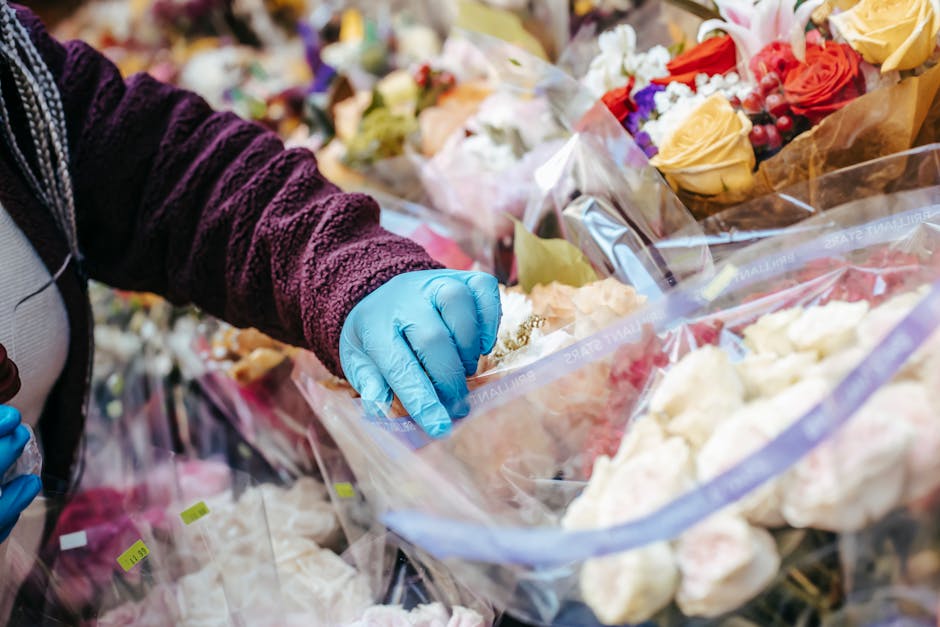
That next stage may vary. Some flowers can be donated if they are still fresh enough and in a condition that recipients can use. Others may be broken down for composting, green waste processing, or creative reuse. A good service will sort this sensibly rather than trying to force every stem into the same path.
Typical flow of a business collection
- Assessment: You identify the kind of flowers you have, how much waste you generate, and how often pickups are needed.
- Preparation: Staff separate flowers from mixed waste, remove obvious non-floral items, and keep arrangements accessible.
- Collection: A pickup happens at a set time or in line with an event schedule.
- Sorting: Usable flowers are separated from material that is best recycled or composted.
- Redirection: Flowers are donated, repurposed, or sent into green waste streams.
Sometimes the process is very neat. Other times, not so much. A wedding teardown after 11 p.m. can be a bit chaotic, with candlewax, ribbon, and half-folded napkins everywhere. That is normal. The point is to have a system that still works when the room is not picture-perfect.
If your business already uses structured ordering or account management for floral supply, it may help to align collections with your broader service routine. For businesses that need ongoing floral support, a corporate approach such as corporate accounts can make repeat planning much smoother.
What gets recycled, donated, or discarded
Not every flower can be donated, and that is worth saying clearly. Donation is usually best for blooms that are still presentable and hygienic. Recycling or composting is better for tired stems, petals, leaves, and broken arrangements. Any foam, plastic wrap, broken containers, or mixed debris usually needs separate handling.
In practical terms, a collection provider should be able to advise on:
- which flowers are still donation-ready
- which items should be separated for recycling
- which materials cannot be reused safely
- how to prep the flowers before pickup
Key Benefits and Practical Advantages
The obvious benefit is less waste. But the real value is wider than that. Once businesses get used to proper flower recovery, they usually notice a few quiet improvements across operations.
1. Better sustainability without the drama
Many businesses want to improve sustainability, but they do not want a process that slows the team down. A flower pickup service can be an easy win because it fits into normal operations. You do not need a major internal project. You just need a simple workflow.
2. Cleaner back-of-house spaces
Used flowers can create clutter fast. Buckets, paper, broken stems, water, and packaging are not pleasant to leave lying around. A scheduled pickup keeps stockrooms, back corridors, and event prep areas clearer. And let's face it, a tidy back-of-house makes every team member breathe easier.
3. A more thoughtful brand story
Customers are increasingly drawn to businesses that make sensible environmental choices. You do not need to shout about it. Even a modest, well-run flower recovery routine signals that you care about what happens beyond the photo moment.
4. Less mixed waste
When flowers are separated early, less of your waste stream gets contaminated. That can help teams stay organised and can make downstream processing more efficient. It is simple, but it matters.
5. Stronger relationships with local partners
Donation can create a positive connection with nearby community groups, care settings, hospitality partners, or creative projects where flowers still have value. In a place like Hoxton, that local web of reuse can feel surprisingly natural.
| Option | Best for | What happens | Main benefit |
|---|---|---|---|
| Donation pickup | Fresh, usable arrangements | Flowers are passed on for a second life | Community value and waste reduction |
| Recycling/composting | Spent blooms and stems | Organic material is processed separately | Cleaner disposal and less landfill pressure |
| Mixed waste disposal | Only when no recovery is possible | Everything goes with general waste | Simple, but least sustainable |
Who This Is For and When It Makes Sense
This service is not just for florists. In fact, some of the most useful collections happen in businesses that do not think of themselves as floral businesses at all.
Common types of businesses that benefit
- Hotels and serviced apartments: lobbies, suites, reception desks, event rooms
- Restaurants and cafes: table flowers, window displays, private dining setups
- Offices and creative studios: client areas, meeting rooms, seasonal displays
- Event venues: weddings, launches, brand activations, exhibitions
- Retail stores: opening displays, promotions, seasonal decoration
- Property and concierge teams: show flats and managed buildings
It also makes sense for businesses with regular decorative resets. If your flowers are changed weekly, after each event, or after every major client evening, you will see the value quickly. A one-off arrangement may not justify much process. A recurring setup usually does.
There is a natural fit here for businesses that already care about presentation. If you are regularly ordering fresh arrangements for brand impact, you may also want a reliable source of flowers more generally, such as flower delivery in Hoxton N1 or flexible same-day options for urgent event needs. That is often how the whole system becomes easier to manage.
When it may not be worth it
If you produce only a few stems now and then, a formal collection may be overkill. In that case, standard green waste handling or in-house composting may be enough. The key is to match the method to the scale. No need to build a bus route for three flowers. That would be a bit much.
Step-by-Step Guidance
If you are setting this up for the first time, keep it simple. You do not need a five-page internal policy on day one. You need a routine that staff can follow without thinking too hard, especially during busy service periods.
Step 1: Map what kind of floral waste you produce
List the flower-heavy moments in your business: weekly reception refreshes, weddings, client dinners, photo shoots, product launches, seasonal decor, sympathy displays. This gives you a realistic picture of volume and frequency.
Step 2: Decide what can be donated versus recycled
Set a basic rule. Donation is for flowers still in good condition. Recycling is for spent flowers and plant matter. Mixed waste is the fallback, not the default. That distinction alone tends to improve outcomes.
Step 3: Create a prep point
Choose a small area where staff can place flowers before pickup. A crate, trolley, or labelled staging zone is usually enough. Keep it away from food prep and general rubbish. Simple systems work best when people are in a hurry.
Step 4: Assign one person or team
Someone needs to be responsible for the handover, even if the task rotates. Otherwise it gets forgotten, and forgotten flowers become bin flowers. It happens more often than people admit.
Step 5: Build pickup timing into your schedule
For events, pickups may need to happen soon after teardown. For offices or hotels, weekly or fortnightly collections may be more practical. The right rhythm is the one your team will actually keep.
Step 6: Review the quality of the flow
After a few pickups, ask three questions: Was collection easy? Were enough flowers reusable? Did staff know what to do? If the answer to any of those is no, adjust the process. Small tweaks go a long way.
A good rule of thumb is this: if the flowers reach the collection point in decent shape and the team understands the routine, the whole thing gets easier every time.
Expert Tips for Better Results
Having seen how floral waste behaves in real businesses, there are a few habits that consistently improve outcomes. Nothing flashy. Just the stuff that saves time and prevents avoidable mess.
Keep water handling under control
Used vases and buckets can leak in transport. Empty water before collection where possible, and place containers in a tray or crate. Wet cardboard and soggy wrapping create unnecessary headaches.
Separate soft waste from hard materials
Ribbon, plastic packaging, floral foam, tape, and broken ceramic all need different handling. If everything is mixed together, the recovery process becomes slower and less efficient. A little sorting early on makes a big difference.
Protect flowers from heat and crushing
If a pickup happens later in the day, keep flowers out of direct sun and away from hot kitchen areas. A few hours of warmth can make perfectly fine blooms wilt faster than you would expect. Especially in a warm venue, this matters more than people think.
Use a simple visual guide for staff
A small printed checklist near the collection point can be enough. In busy places, people do not always remember the rules from a meeting. They remember the sign right next to the trolley.
Think about the scent and the story
Fresh flowers can still be beautiful even when they are past peak display. Some donation recipients value colour, fullness, or shape more than perfect vase life. A thoughtful handover is often the difference between something useful and something not quite there.
Practical tip: If your business runs regular floral displays, pair pickup scheduling with replenishment scheduling. That way, the old flowers leave before the new ones arrive. Cleaner rhythm. Less clutter. Less "where did we put that box?"
Common Mistakes to Avoid
A few avoidable mistakes can make an otherwise good system fall apart. The annoying part is that most of them are simple, human errors. Nothing dramatic. Just ordinary chaos.
Leaving collection too late
If flowers sit around for too long, they lose donation value and become harder to recycle cleanly. This is especially common after events where teams are tired and assume the flowers can wait until tomorrow. Sometimes they can. Often, not really.
Mixing flowers with general waste
Once floral waste is buried under food wrappers, tissue, and random packaging, recovery becomes much less effective. Separate it at source, even if only loosely at first.
Forgetting about containers and accessories
Beautiful flowers are only part of the job. Vases, wire, tape, foam, paper, and plastic sleeves need their own handling. If nobody has thought about them, they end up in the wrong bin.
Assuming all donations are acceptable
Donation should be sensible and hygienic. Bruised, mouldy, or heavily soiled flowers may not be suitable. It is better to be cautious than to send on something that cannot realistically be used.
Not briefing temporary staff or event crew
In Hoxton, many businesses rely on flexible staff or event freelancers. If they are not told the collection rules, they will do their best and still get it wrong. A two-minute briefing avoids most of that.
Truth be told, most flower recovery problems are not really technical. They are communication problems wearing a technical hat.
Tools, Resources and Recommendations
You do not need much equipment to get started, but a few practical tools help the system run cleanly.
Useful tools for business flower recovery
- Labelled crates or buckets: for separating donation-ready flowers from compost waste
- Water trays: to prevent leaks during transport
- Permanent markers and labels: for quick sorting at the source
- Basic staff checklist: for event breakdowns or end-of-week resets
- Storage area or pickup point: a consistent place reduces confusion
It also helps to use a reliable florist or flower supplier who understands business rhythms. If you need regular fresh stock, seasonal variety, or event-ready displays, browse a broad selection such as all flowers or explore more curated options through a local florist in Hoxton. When the supply side is organised, the recycling side is easier too.
Helpful support areas to think about
- Sustainability policy: a short internal statement keeps everyone aligned
- Delivery timing: align arrivals with display and pickup cycles
- Flower care: better care extends display life and reduces waste
- Corporate ordering: useful if you need repeat floral activity
You may also find it useful to review practical service details such as delivery information, especially if your collection cycle depends on incoming stock timing. Simple, yes, but very useful.
Law, Compliance, Standards, or Best Practice
This is one of those areas where common sense and good housekeeping matter a lot. Exact duties can vary depending on the type of business, the waste contractor involved, and what materials are mixed with the flowers. So it is wise to treat this as a best-practice guide rather than legal advice.
In the UK, businesses generally need to handle waste responsibly, keep waste streams separated where appropriate, and make sure any contractor collecting waste is suitable for the material being taken away. If flowers are being donated, hygiene and suitability matter too. If flowers are being composted or recycled, contamination should be kept low.
Best practice usually includes:
- separating organic floral waste from general rubbish where feasible
- keeping packaging, foam, and sharp items out of donation loads
- making sure staff know what can and cannot be included
- storing materials safely before pickup
- using clear written instructions for recurring collections
If your business already follows broader sustainability or ethical sourcing principles, this process should sit naturally within them. It can also support your own internal policies around waste reduction and operational tidiness.
For businesses that want to align their flower handling with wider company standards, it can be useful to review statements such as sustainability commitments and terms and conditions before setting up repeat service routines. That way expectations are clearer from the start.
Options, Methods, or Comparison Table
There is no single best method for every business. The right choice depends on how often you use flowers, the condition they are in, and how much admin your team can handle.
| Method | Best used when | Advantages | Limitations |
|---|---|---|---|
| Donation pickup | Flowers are still fresh and attractive | Supports community use; gives blooms a second life | Not suitable for tired or damaged flowers |
| Recycling or composting | Flowers have passed display quality | Reduces landfill waste; simple and practical | May need separation from mixed materials |
| In-house reuse | Small amounts or creative teams | Good for styling, props, or smaller decorative setups | Needs time, space, and some creative planning |
| General waste | Only when no recovery route is realistic | Easy as a last resort | Least sustainable and usually least desirable |
For many Hoxton businesses, the smartest model is a mix: donate the best pieces, recycle the rest, and only use general waste for what cannot sensibly be recovered. That balance keeps things practical. No grand gestures needed.
Case Study or Real-World Example
Picture a small design studio in Hoxton that hosts client meetings, occasional launch events, and a weekly reception refresh. On Monday, the flowers are bright and welcoming. By Friday, the stems are tired, the water is cloudy, and the arrangement is no longer suitable for front-of-house display.
Before setting up a proper pickup routine, the team usually did what many teams do: left it until the next cleaner tidy-up, then disposed of everything together. It was quick, but untidy. The flowers were still mostly intact, and yet they were going straight into mixed waste.
After introducing a simple collection process, the team placed reusable flowers in one labelled crate and spent stems in another. The office manager set a weekly pickup time, and event flowers were separated sooner after launches. Nothing dramatic changed. No expensive system. Just a clearer habit.
The result was cleaner storage, less waste in general bins, and fewer awkward "someone please deal with the flowers" moments. The team also found it easier to brief freelance event staff because the rule was obvious: sort first, then stash, then pick up. Little things. They really do add up.
That kind of example is common. Once a business makes flower recovery part of the routine, the process starts to feel natural rather than like an extra chore.
Practical Checklist
Use this checklist before your next pickup or event teardown:
- Have we separated flowers from general waste?
- Are any flowers still suitable for donation?
- Have we removed obvious non-floral items such as tape, plastic wrap, and broken accessories?
- Is the collection area clean, dry, and easy to reach?
- Have staff been told what to do with leftover arrangements?
- Are water containers emptied or secured?
- Have we matched pickup timing to our event or display cycle?
- Do we have a backup plan if collection is delayed?
- Have we checked which items should be recycled rather than donated?
- Is someone responsible for confirming the handover?
If you can tick most of those boxes, you are already ahead of most businesses. Honestly, that is often the difference between a smooth collection and a bit of Monday-morning improvisation.
Conclusion
Hoxton flower recycling and donation pick up for businesses is one of those practical improvements that looks small on paper and feels much bigger in daily life. It keeps floral waste under control, supports better sustainability habits, and gives businesses a clearer, tidier way to handle the end of each display cycle.
Whether you manage an office, venue, shop, hotel, restaurant, or creative space, the principle is the same: flowers should have a sensible second step. Donation when they are still usable. Recycling when they are past their best. A little structure, a little care, and not too much fuss.
Get a free quote today and see how much you can save.
When a business gets this right, the payoff is not just cleaner bins. It is a calmer routine, a better impression, and a small but real sense that nothing good is being wasted for no reason. And that, to be fair, is a lovely thing.
Frequently Asked Questions
What is Hoxton flower recycling and donation pick up for businesses?
It is a service or workflow that collects used, surplus, or event flowers from businesses and sends them either for donation, recycling, composting, or other suitable reuse. The goal is to reduce waste and make flower handling more efficient.
Which types of businesses use flower pickup services?
Hotels, restaurants, offices, retail shops, venues, event teams, and property managers often use them. Any business that regularly displays flowers can benefit if the volume justifies a recurring process.
Can all flowers be donated?
No. Donation usually depends on freshness, appearance, and hygiene. Flowers that are still in good condition may be suitable, while damaged, mouldy, or heavily worn arrangements are better routed to recycling or composting.
What happens to flowers that are not donated?
They are usually separated for organic recycling, composting, or green waste processing. Items that are mixed with non-organic materials may need different handling, which is why sorting matters.
How do I prepare flowers for pickup?
Separate them from general rubbish, remove obvious packaging, empty excess water where possible, and place them in a clean, accessible collection point. A simple labelled crate is often enough.
Is this suitable for one-off events?
Yes, especially for weddings, launches, and private dinners where there is a lot of floral decor to clear afterwards. A one-off pickup can be useful if the event generates enough volume.
How often should a business arrange flower collections?
That depends on how often flowers are used. Some businesses need weekly collections, others only after events or seasonal refreshes. The right schedule is the one that matches your display cycle.
What is the difference between recycling and donation?
Donation passes flowers on for direct use by someone else, while recycling or composting processes the flowers as organic material after they are no longer suitable for display.
Do I need special storage for flowers before pickup?
Not usually. A clean, dry, clearly marked area is often enough. The main thing is keeping flowers separate from general waste and making sure they are easy to access when the collection happens.
Can this help with sustainability reporting or brand image?
It can support wider sustainability efforts and show that your business manages waste thoughtfully. It should be presented honestly, though, and as part of a broader operational approach rather than a grand claim.
What should I avoid mixing with donation flowers?
Avoid mixing in plastic, broken glass, food waste, floral foam, tape, sharp wires, and anything dirty or contaminated. Donation loads should stay clean and easy to use.
How do I know whether a provider is suitable?
Look for clear collection timing, practical guidance on sorting, and sensible expectations around what can be donated versus recycled. Good providers make the process easy to understand and easy to run.